They Just Don’t Want to Be Alone
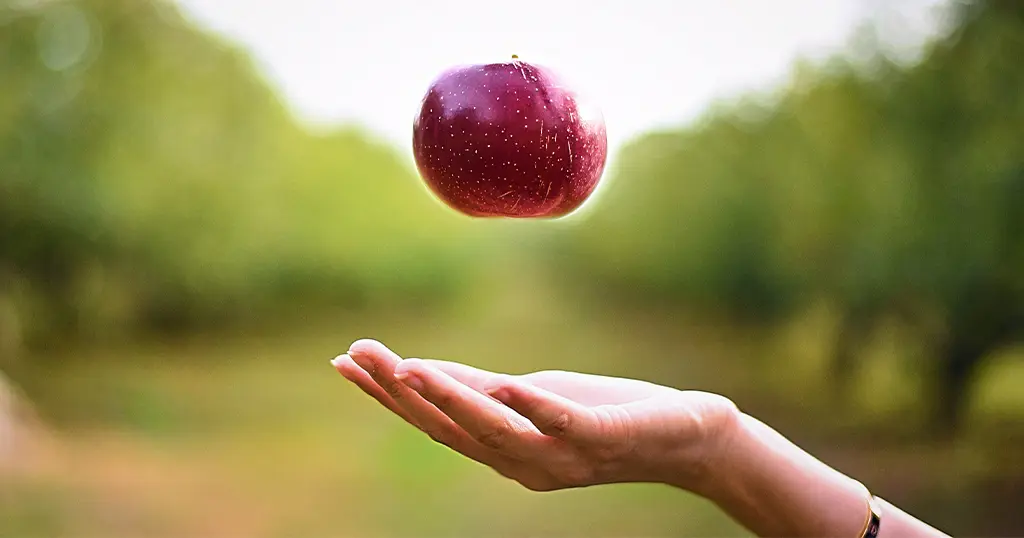
A stone slips from the hand. We say gravity — and imagine we’ve understood. But the stone doesn’t know our word. The stone simply returns, the way anything released moves toward what it doesn’t want to be far from.
Two stars circle each other for billions of years. We write numbers beneath them: mass times mass, divided by the square of the distance. But maybe all that mathematics is the human translation of one wordless sentence: I don’t want to be alone.
To name a thing is not to understand it. It is to take possession of it. We said the earth falls because space is curved. Maybe space curves because things don’t want to stay apart — the way a room bends around two people in love.
Saint-Exupéry offered a way out: taming. Water your flower, and it becomes the only flower in all the world. But this flower is mine because I watered it is bookkeeping too — another ledger, kept in the currency of tenderness. We tame things so we can say they’re ours — and the moment something becomes ours, it stops being itself. It becomes our story about it.
Night after night, the moon circles the earth, and physics says it is in perpetual free fall: falling and falling and never arriving. The description is exact — and its exactness is where it turns cruel. Because what we call an endless fall might, from the moon’s side of things, be something else entirely: staying. Not leaving.
And look — I just did the same thing.
They don’t want to be alone is a name too. My name. A net I threw over something that never asked to be understood. I thought I was rescuing it, when all I did was tame it — make it mine. And the moment it became mine, it was no longer itself.
Maybe the truest thing about gravity is that it needs no explaining — not from Newton, not from Einstein, not from me. The meaning was never in the naming. It was in the falling.
We are bodies too. We, too, are always falling toward someone — and we give it another name.
Pooyan Arab